
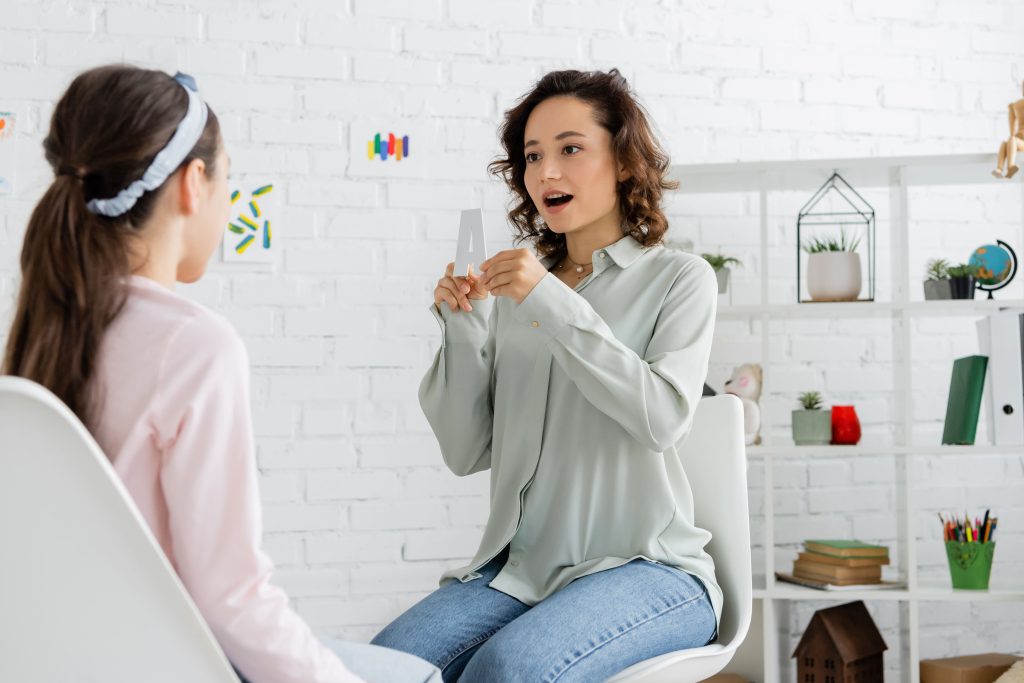
Music is a powerful and engaging way to support communication. Many children are naturally drawn to music through songs, rhythm, and movement, making it a meaningful and motivating tool for learning. At Kita Therapy, we use music purposefully to help children develop communication skills in ways that feel enjoyable and supportive.
Why Music Supports Communication
Music provides a predictable and structured framework, which can make communication easier for children. Songs often include repetition, rhythm, and clear patterns, helping children anticipate what comes next and encouraging them to take part.
Music also captures attention and creates shared experiences, which are essential for communication development. When a child and adult sing, move, or play music together, they are naturally practising important interaction skills.
How Music Helps Build Communication Skills
Music can support communication in many ways, including:
- Encouraging vocalisation and speech
Songs invite children to use sounds, words, and phrases. Pausing before a favourite part of a song can encourage children to vocalise or attempt a word. - Supporting turn-taking
Musical activities such as singing in turns, clapping games, or instrument play naturally teach children to wait, listen, and respond. - Building joint attention
Music encourages shared focus on an activity, object, or person, helping children practise looking, listening, and engaging together. - Expanding vocabulary and understanding
Songs often include repeated words and simple language, supporting learning and understanding of new vocabulary. - Supporting emotional expression
Music provides a safe way for children to express emotions and learn how to regulate their feelings through movement, rhythm, and melody.
Using Music in Everyday Routines
Music doesn’t need to be reserved for therapy sessions. It can easily be included in everyday routines at home, such as:
- Singing during dressing, bath time, or clean-up
- Using action songs to support following directions
- Making up simple songs about daily activities
- Pausing during songs to encourage your child to fill in a sound, word, or action
These small moments help children practise communication in meaningful and familiar settings.
Following Your Child’s Lead
When using music to support communication, it’s important to follow your child’s interests. Choose songs they enjoy, repeat favourite activities, and respond to their attempts to communicate — whether they use sounds, gestures, words, or movements.
The goal is connection and interaction, not performance.
Why Music Is Effective in Therapy
Music naturally reduces pressure and creates a playful environment. Children are often more willing to take communication risks when they feel relaxed and engaged. This makes music an effective tool for supporting speech, language, and social communication goals.
With the right support, music can become more than just fun. It can be a powerful tool for helping children find their voice.